




Artificial intelligence has become a frequent topic in the audiovisual industry, but the term is often used without definition. Product announcements, platform updates and tradeshow panels regularly reference AI as a differentiator. In many cases, the label applies to automation features or conversational tools. In other instances, it’s marketing language rather than a precise description of functionality. For an industry grounded in engineering and documentation standards, the lack of clarity surrounding AI needs reevaluation.
Professional AV systems are structured environments built on interconnected devices, documented signal paths and coordinated workflows. A bill of materials reflects engineering intent. A scope of work translates design decisions into contractual language. The service records and lifecycle documentation track performance after installation. The intelligence operating within this environment should account for these relationships rather than function independently of them.
In the AV industry, workflow and system automation are the most common forms of AI adoption. The typical rule-based workflows can update pricing fields, trigger alerts or populate standardized forms. These capabilities improve efficiency and reduce repetitive administrative tasks. However, automation does not interpret how a change to one component affects the rest of a system.
Real intelligence in AV requires system awareness. It needs to recognize how equipment selections connect within a signal chain, how documentation aligns with product sourcing and how design decisions translate into installation and service. When intelligence can analyze a project’s structured data and generate a fully connected schematic based on professional connection logic, it demonstrates contextual understanding. When the intelligence can interpret room data and produce coherent scopes of work aligned with system architecture, it reflects applied engineering awareness rather than surface-level text generation.
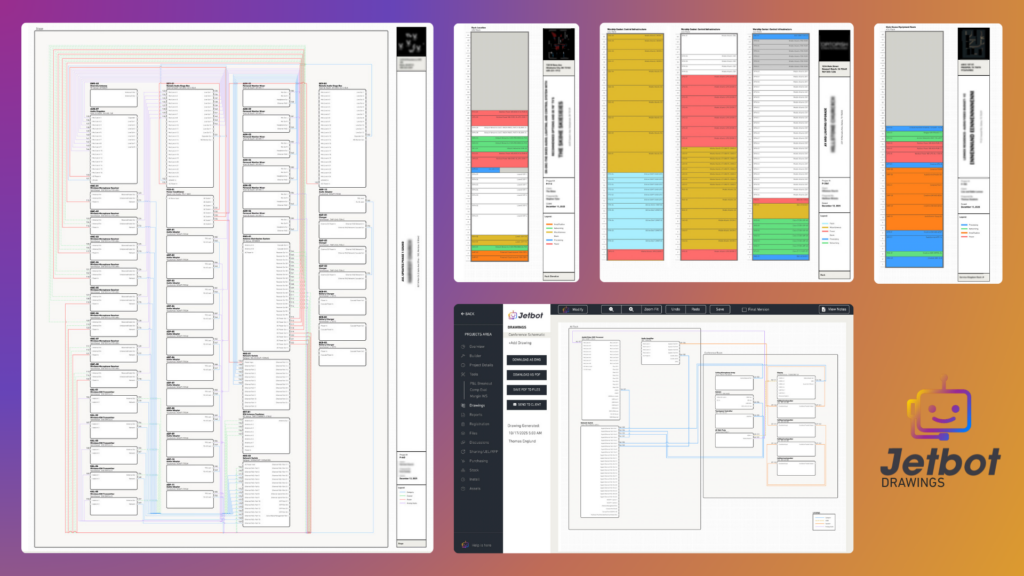
The lifecycle considerations of devices further differentiate applied intelligence from other AI tiers. Today’s AV systems evolve through firmware updates, equipment replacements and service agreements that extend for years. Intelligence that can interpret installed system data, manage service workflows and escalate to human technicians when appropriate reflects operational maturity. This level of capability supports long-term system integrity rather than isolated project milestones.
The impact of system-aware intelligence should be measurable, too. For AV integrators, their engineering teams can reduce documentation time without compromising accuracy, while sales and design departments can align more closely through consistent project data. Additionally, service teams can respond with greater context, reducing back-and-forth communication and uncertainty. The system-aware outcomes are supported by structured data rather than abstract prediction.
Ultimately, intelligence in AV environments should be evaluated by the practical value it delivers within real system workflows. When AI can interpret structured project data, understand system relationships and support professionals across design, documentation and service, it moves beyond marketing language and becomes a meaningful tool for the industry. As integrators continue to explore how intelligent systems can support their teams and improve project outcomes, clarity around these capabilities will become increasingly important.
To see how system-aware intelligence is being applied in practice, visit Jetbuilt.com to learn more about Jetbuilt’s Jetbot and how it’s designed to support AV professionals throughout the project lifecycle.